

VA loans close in about 40 to 45 days, roughly the same as conventional at 41 and FHA at 42. Zero down is real, but you still need cash for earnest money, inspections, and prepaids. The appraisal protects you rather than working against you. Your entitlement is a lifetime benefit you can reuse and sometimes use twice at once. And there is no cap keeping you in a starter home.
If you’re a veteran here in the Houston area, there’s a good chance you’re sitting on one of the best wealth-building tools this country offers, and you’re either not using it or you’re scared to use it because of something a friend told you, something a landlord said, or something a seller’s agent got wrong.
I’m Miguel Gutierrez with Texas Homes Sold Group. I live and work right here in Fort Bend County, so this isn’t secondhand information. I’m also an Army veteran, and I’ll be honest with you: I ran into some of these same myths when I bought my own current house, before I ever got into real estate. I’m not talking theory. I lived it.
My goal here isn’t to sell you anything or pitch you a loan. It’s to walk through the five biggest VA loan myths I hear from veterans across Harris County, Fort Bend County, and the surrounding areas, so you can keep more money in your pocket and actually use the benefit you earned.
Myth 1: VA loans take forever to close
The myth goes like this. A VA loan takes 60 or 90 days, it’s buried in red tape, and if you’re competing for a house in Katy, Cypress, or Sugar Land, the seller is going to toss your offer straight in the trash.
Look at the actual numbers.
| Loan type | Average days to close |
|---|---|
| VA | 40 to 45 |
| Conventional | Around 41 |
| FHA | Around 42 |
Recent industry data puts VA loans at roughly 40 to 45 days on average. That’s basically identical to conventional and FHA. The idea that VA loans are dramatically slower just isn’t true anymore.
Here’s what’s really going on. When a seller hesitates on a VA offer, it usually isn’t the VA loan. It’s a weak offer, or an agent who doesn’t know how to present it properly.
When I put together a VA offer for a buyer here in Fort Bend or Harris County, I make sure the listing agent knows my buyer is fully underwritten and rock solid before we even submit. That’s what gets VA offers accepted in competitive markets. Not luck.
Myth 2: Zero down means you need zero dollars
This one trips up a lot of people, including me at first. The myth is that you don’t need a single dollar in your account to buy a $400,000 house in Fulshear or Richmond.
The VA loan does guarantee 100 percent financing, meaning zero down payment on the purchase price. But buying a home still comes with some out-of-pocket costs along the way:
- Earnest money deposit, usually around 1 percent of the purchase price, held in escrow
- Option fee and inspections, including a general home inspection, termite, and maybe a foundation inspection, typically somewhere in the $500 to $800 range
- Closing costs and prepaids, meaning lender fees, title fees, homeowners insurance, and your property tax escrow
Keep in mind these figures move. Treat them as the current shape of things and confirm your specific numbers with your lender.
There’s also the VA funding fee, which helps keep the program running for future veterans. Good news: if you have a service-connected disability rating of 10 percent or higher, you’re completely exempt from it. You can verify your eligibility through VA.gov, and the Texas Veterans Commission can help if you’re still sorting out your rating.
The part most veterans don’t know about
Here in the Houston market, especially in newer communities out in Richmond or Katy, sellers and builders can often contribute toward your closing costs.
On the standard items, your normal closing costs like the appraisal, title fees, and prepaid taxes, there is actually no cap on what a seller can pay. Where the VA does set a 4 percent limit is on extra concessions: things like paying off some of your debt, buying down your interest rate, or covering the funding fee itself.
Stack those two together and it’s very possible to walk into closing and walk out having spent little to none of your own money. Sometimes you even get your earnest money back.
Myth 3: The VA appraisal will kill your deal
The fear is that VA appraisers nitpick every scratch on the wall, force the seller into $20,000 of repairs, or lowball the value just to be difficult.
Here’s what’s actually true. The VA has minimum property requirements, called MPRs, and they are not about cosmetics. The VA does not care if the paint color isn’t your taste. These requirements exist to protect you from buying a house with real problems: a bad roof, a broken HVAC system, peeling lead paint, structural issues. That’s it. It’s a safety net for you, not a hurdle.
And here’s something most people don’t know about at all. It’s called the Tidewater Initiative. If the appraiser thinks the home might come in under the contract price, they’re required to notify the lender before finalizing anything. That gives your agent and lender two business days to submit recent comparable sales supporting the price you agreed on.
Conventional loans have nothing like this. It’s one of the more veteran-friendly parts of the entire process, and almost nobody talks about it.
Myth 4: You only get to use it once
This is a big one. I talk to veterans all the time who say they already used their VA loan on a house 10 years ago, so now they’re stuck with a conventional loan.
Not true. Your VA entitlement is a lifetime benefit. Once you sell your previous home and pay off the VA loan, your full entitlement is restored and you can use it again.
It gets better. There’s something called bonus, or secondary, entitlement. Back in 2019 the Blue Water Navy Vietnam Veterans Act removed loan limits for veterans with full entitlement, meaning there’s no longer a cap tied to your county’s conforming loan limit.
Because of that change, in certain situations qualified veterans can hold more than one VA loan at the same time using secondary entitlement. Say you’re relocating and haven’t sold your first home yet. There are specific rules and math involved, so talk to your lender about your exact numbers, but the point is that this benefit is far more flexible than most people realize.
Myth 5: VA loans are only for starter homes
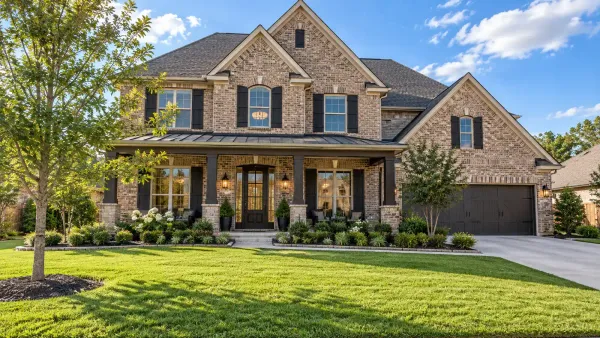
The last one is the belief that a VA loan gets you a $200,000 starter home and nothing more. No custom-built homes, nothing nicer out in Fulshear or Sugar Land.
Since there’s no cap on loan amount for veterans with full entitlement, you can absolutely use a VA loan on a $700,000 or even a million-dollar home with zero down, as long as you qualify based on income and credit.
I work with a lot of higher-earning veterans, officers, and people relocating here for corporate jobs who use their VA loan on much nicer homes specifically because it lets them keep their cash working elsewhere instead of tying it all up in a down payment.
If you’re looking at brand new construction, the builder conversation has its own wrinkles worth knowing about, and there’s more on that in buying new construction in Fort Bend County.
Quick recap
- VA loans close just as fast as conventional or FHA
- Zero down is real, but plan for a few smaller costs along the way
- The appraisal process is built to protect you, not to work against you
- Your entitlement is a lifetime benefit you can reuse, and sometimes use twice at once
- There’s no cap limiting you to a starter home if you qualify for more
As a fellow Army veteran, here’s what I want you to walk away with. Don’t let bad advice from a friend, a landlord, or an uninformed agent cost you a benefit you earned through your service. I learned some of this the hard way buying my own house, and I don’t want that for you.
If you want the full process laid out in order, I walked through it start to finish in our VA loan step by step guide. You can also read more about using your VA loan benefit or grab the veteran buyer’s guide.
Frequently Asked Questions
How long does a VA loan take to close?
Recent industry data shows VA loans closing in about 40 to 45 days on average, compared to roughly 41 days for conventional loans and 42 for FHA. The difference is small enough that closing speed should not be a reason to avoid the VA loan. Delays usually come from a lender who rarely handles VA files, not from the program.
Do you need any money to close on a VA loan?
Yes, some. The VA loan means zero down on the purchase price, but you still need earnest money, usually around 1 percent held in escrow, an option fee, inspections in the $500 to $800 range, and closing costs plus prepaids like insurance and property tax escrow. Seller and builder contributions can offset much or all of it.
How much can a seller pay toward a VA buyer’s closing costs?
There is no cap on what a seller can pay toward standard closing costs such as the appraisal, title fees, and prepaid taxes. The VA does set a 4 percent limit on extra concessions, which include paying off the buyer’s debt, buying down the interest rate, or covering the VA funding fee.
Is the VA appraisal harder than a conventional appraisal?
It isn’t about cosmetics. The VA’s minimum property requirements check that the home is safe and sound, flagging issues like a bad roof, broken HVAC, peeling lead paint, or structural problems. Paint colors and minor wear are not a factor. The requirements exist to protect the veteran from buying a home with real defects.
What is the Tidewater Initiative?
The Tidewater Initiative requires a VA appraiser who believes a home may appraise below the contract price to notify the lender before finalizing the appraisal. That gives the buyer’s agent and lender two business days to submit recent comparable sales supporting the agreed price. Conventional loans have no equivalent protection.
Can you use a VA loan more than once?
Yes. VA entitlement is a lifetime benefit, and selling the previous home and paying off that VA loan restores full entitlement for reuse. Through bonus or secondary entitlement, qualified veterans can in some cases hold two VA loans at the same time, which comes up often when relocating before the first home sells.
Can you buy an expensive home with a VA loan?
Yes. The Blue Water Navy Vietnam Veterans Act of 2019 removed loan limits for veterans with full entitlement, so a $700,000 or even million-dollar purchase with zero down is possible if you qualify on income and credit. Many higher-earning veterans use the benefit specifically to keep cash invested elsewhere rather than in a down payment.
Want an honest look at your numbers?
If you’re thinking about buying anywhere in Fort Bend County, Harris County, or the surrounding areas and you want a no-pressure look at what your VA benefit actually does in today’s market, reach out.
I work with veterans in this market every single day, and I’d love to help you use this benefit the right way.